English
Introduction
The Department of Business Administration at Shu-Te University was established in August 1997. Currently, the department offers various academic programs, including the four-year day program, the four-year evening program, and the two-year and four-year continuing education programs. In alignment with national economic development policies, the department is dedicated to cultivating professionals for domestic and international enterprises, chain restaurants, and hotel management, as well as fostering entrepreneurial talent.
In addition to general management courses, the department offers three major module programs: Finance and Banking, Human Resource Management, and Marketing and Distribution. Furthermore, three specialized programs—Corporate Sustainability Management, Innovation and Entrepreneurship Management, and Hospitality Management—are designed to address the dual focus on employment and entrepreneurship in today’s economy, thereby enhancing students’ competitiveness in the job market.
The curriculum also integrates industry-relevant practical courses such as Business Operation and Store Management, Business Negotiation, and Digital Marketing Tools and Applications. To bridge the gap between theory and practice, the department regularly invites industry professionals and scholars for lectures, organizes international study visits, and arranges summer internships from freshman to junior years, senior-year internships with major corporations in Taiwan, and overseas internships in countries such as Canada, Japan, South Korea, and Singapore. In addition, students are encouraged to participate in exchange programs with partner universities abroad to further strengthen their practical experience and global competence, nurturing them into highly employable business professionals.
The department’s mission is to cultivate professional management talent, with the educational goal of equipping students with business management skills that align seamlessly with market demands. To achieve this, the curriculum is structured around six core management areas, three specialized programs, and an elite talent cultivation curriculum, ensuring a comprehensive balance between theory and practice.
In accordance with the university’s institutional resource integration plan, the department initiated a merger with the Graduate School of Business and Management starting from the 2023 academic year. During the merger process, multiple public hearings, faculty-student forums, and administrative meetings were convened to gather opinions and build consensus. The consolidation procedures were formally approved by the University Council and the Office of Academic Affairs in the 2024 academic year. Consequently, beginning from the 2025 academic year, the two units have been officially integrated as the Graduate School of Business and Management.

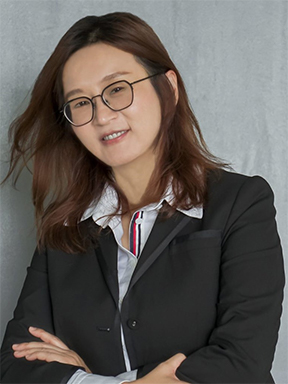
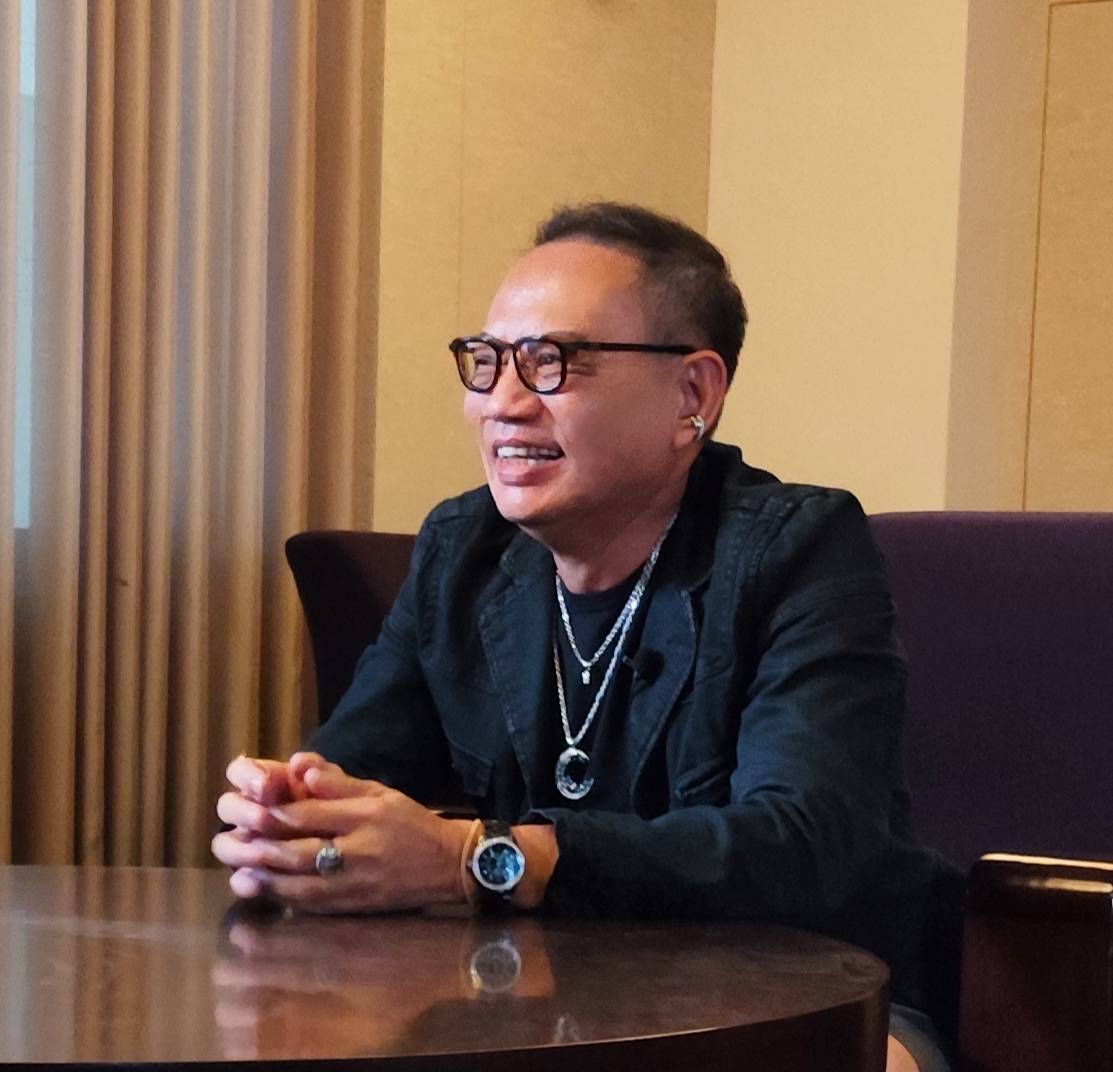
Faculty
Course Introduction
The department’s curriculum emphasizes the fundamental theories of business management while actively connecting with industry practices. By inviting industry experts and scholars to deliver guest lectures, organizing visits to domestic and international enterprises, and offering internship opportunities in both public and private sectors, the department helps students effectively integrate theory with practical experience. In addition to the required courses offered by the College of Management and the department, since the 2007 academic year, the curriculum has been structured into modular programs, including Financial Management, Human Resources, Marketing and Distribution, and General Management, allowing students to choose courses according to their interests. Beginning in the 2025 academic year, in response to emerging trends, the department has further established three specialized programs — Corporate Sustainability Management, Innovation and Entrepreneurship Management, and Hospitality Management — to address the dual emphasis on employment and entrepreneurship in today’s economic environment, thereby enhancing students’ competitiveness in the job market. To help students gain early exposure to real-world business environments, the department offers off-campus internship programs in the fourth year. Through a “learning by doing” approach, students participate directly in business operations, gaining valuable hands-on experience. Those who demonstrate exceptional performance during their internships may even receive pre-employment offers, ensuring a seamless transition from university to the workplace. To boost employability, the department actively integrates certification opportunities into the curriculum, including courses on Financial Markets, Information Applications, and Accounting. With the support of faculty, students enhance their ability to earn certifications. Additionally, since 2007, the department has promoted certifications such as Retail Service and Employment Services Personnel, as well as international certifications like Project Management.
Classroom and equipment introduction

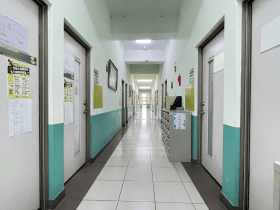
Department Office T0622
Designated Space for Department Assistants to Handle Departmental Affairs

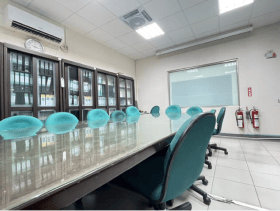
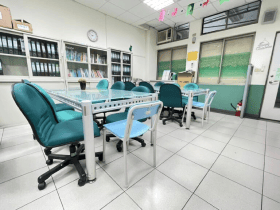
Conference Room T0620
A venue for holding various meetings or for students and teachers to discuss coursework

Faculty Research Office
Teachers can excel in both research and teaching with ease

Student Lounge T0615
A space for student interaction, communication, and exchange

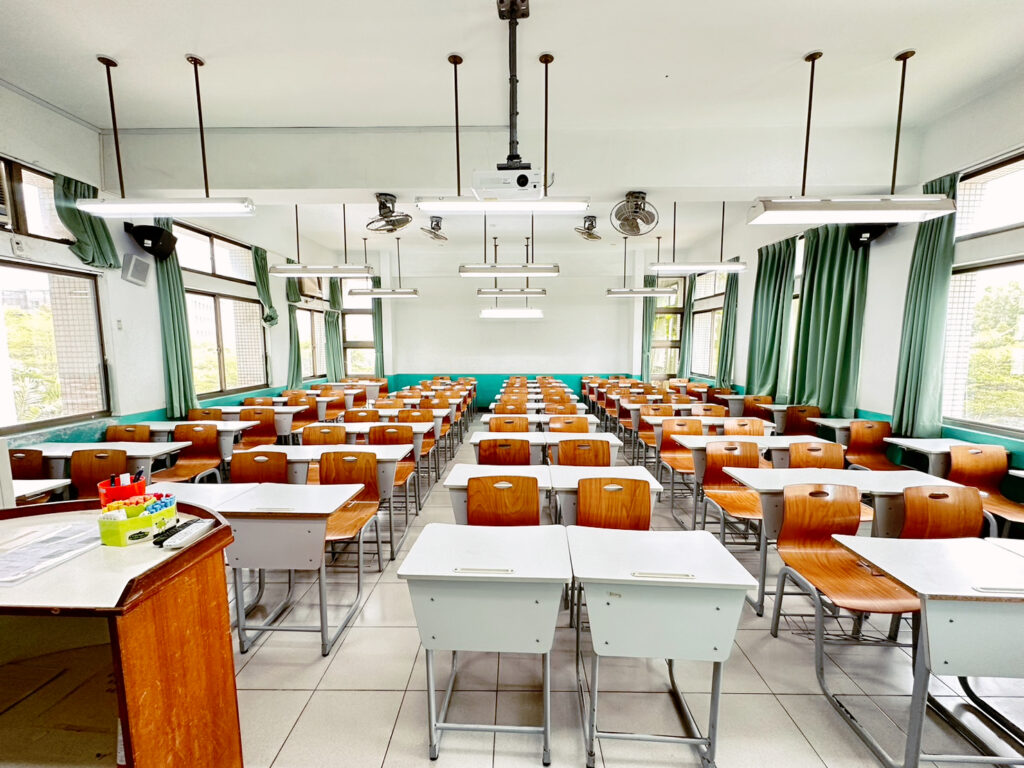
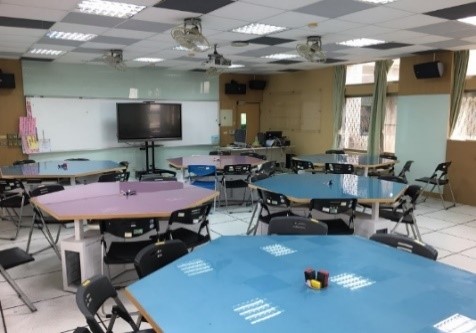
General Classroom T0601-T0605
Classroom for Lecture-based Theory Courses

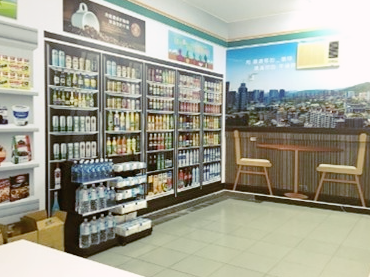
International store T606-1
pos machine LCD touch computer Invoice machine

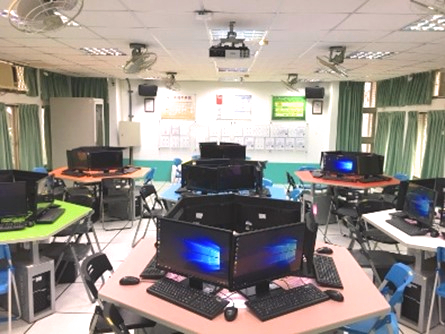
Computer Laboratory T0607
Practical Operation of Student-run Virtual Store

Business Media Applications Laboratory T608
Primary Equipment for New Product Prototype Development, Supporting Students in Patent Application and Entrepreneurship Process

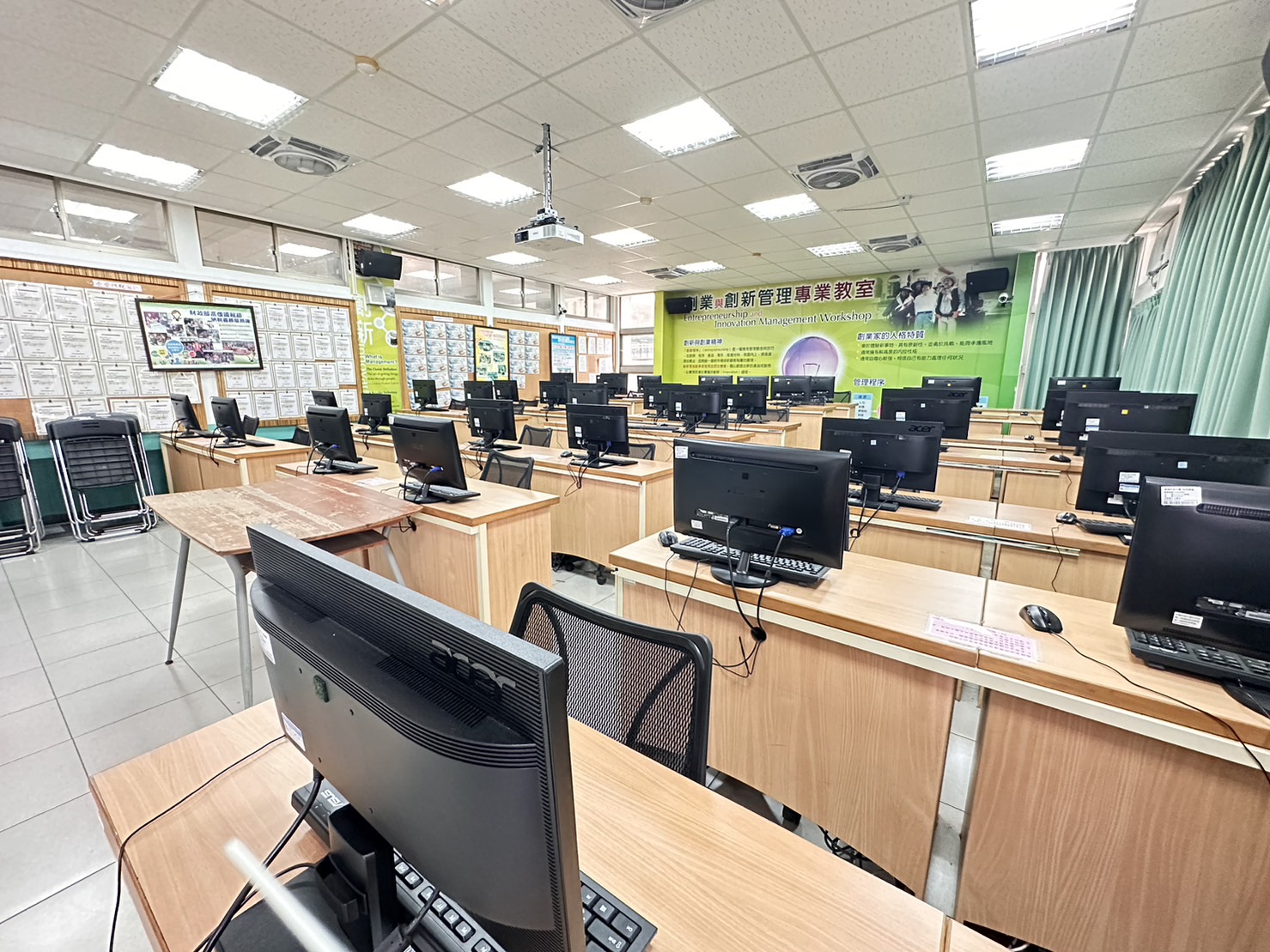
Entrepreneurship and Innovation Management Laboratory T0611
computer, Accounting software, Bank internal staff question bank, Enterprise internal control question bank

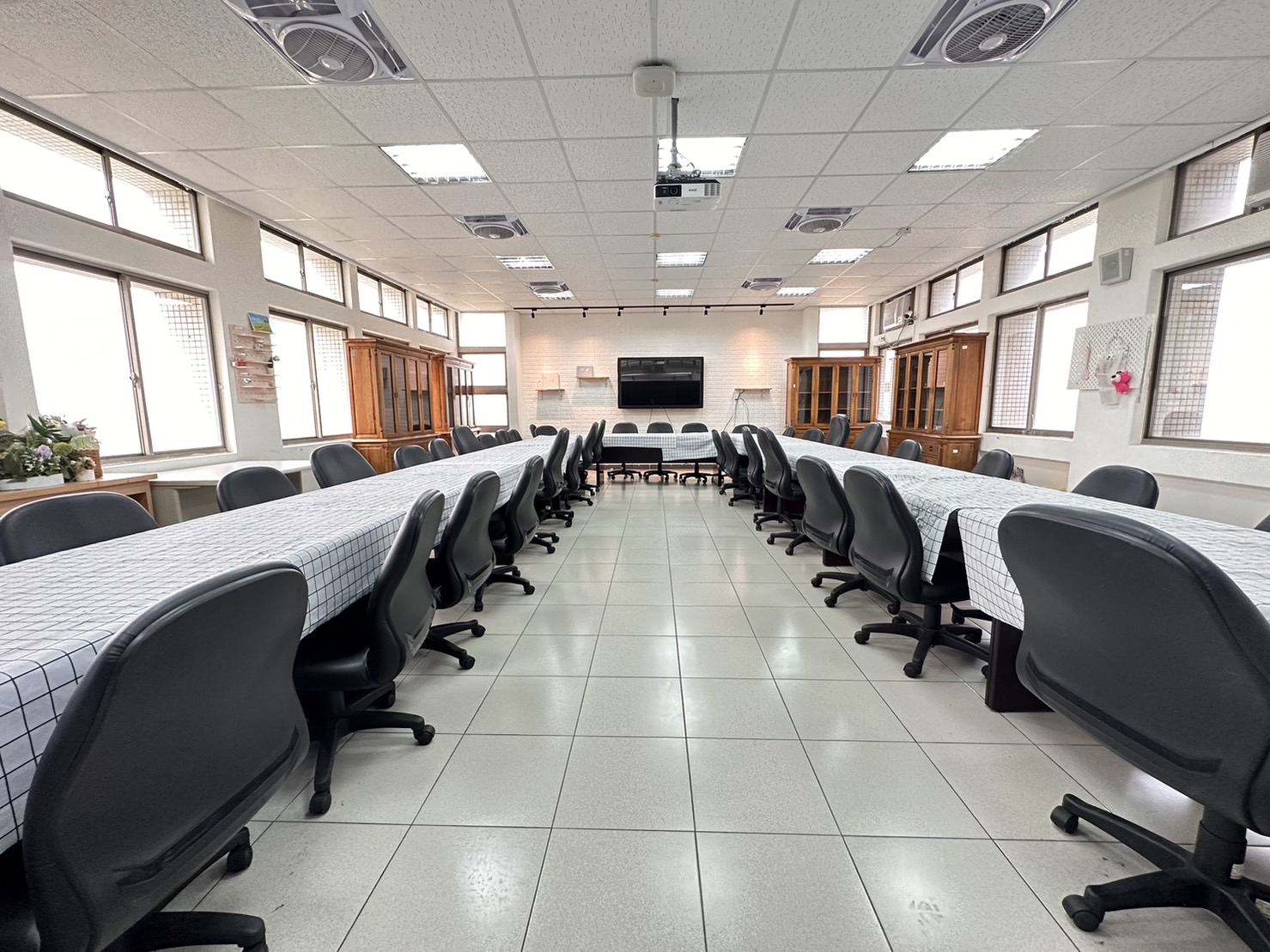
Seminar Room
T0612
Discussion Room for Student Seminars, Practical Analysis, and Group Mentoring by Teachers